Tree pruning in Redbridge
If you are looking for tree pruning in Redbridge, you are likely dealing with more than just a few overgrown branches. In local streets, gardens, forecourts, and shared spaces, trees can quickly become too wide, too tall, or too heavy on one side. Pruning is often the difference between a tree that looks smart and manageable and one that is causing shade issues, blocking light, touching roofs, hanging over paths, or putting strain on nearby growth. For homeowners, landlords, schools, offices, shops, managing agents, and community sites across the borough, professional pruning is a practical service that helps keep trees healthy, safe, and attractive.
Redbridge has a mix of property types and outdoor spaces, from terraced houses with compact rear gardens to larger plots, front gardens, communal areas, car parks, and business premises. That variety matters because no two pruning jobs are the same. A mature tree over a small garden in Ilford may need a very different approach from roadside trees near Woodford, boundary trees in Wanstead, or ornamental trees around commercial properties in South Woodford and Seven Kings. A local tree care team understands those differences and can recommend the right pruning method for the tree, the setting, and the practical needs of the customer.
Well-planned pruning is not simply about cutting branches back. It is about directing growth, protecting structure, reducing risk, improving light, and supporting long-term tree health. When done properly, pruning can make a tree safer near driveways and paths, improve airflow through the canopy, reduce rubbing or crossing branches, and keep trees compatible with surrounding buildings. If you need advice, a one-off visit, or regular maintenance, contact us today to request a free quote and discuss the best approach for your trees.
Why tree pruning matters for Redbridge properties

Tree pruning is one of the most useful parts of ongoing tree care because it addresses both appearance and function. In Redbridge, where many homes have limited garden space and many streets have established planting close to buildings, pruning often becomes essential for everyday use of the property. Trees that are allowed to grow unchecked can interfere with gutters, roof lines, fences, boundary walls, satellite signals, pathways, parking spaces, and natural light into windows. A well-timed prune can resolve these issues without removing the tree.
For residential customers, pruning can help gardens feel brighter and more usable. It can also reduce the likelihood of branches brushing against windows, blocking access to sheds, or hanging over areas where children play. In commercial and public settings, pruning is often about maintaining a tidy, professional appearance while making sure customers, staff, and visitors can move around safely. This is especially important for premises with entrances, delivery bays, or narrow access routes.
Another key benefit is tree health. Selective pruning encourages balanced growth and can prevent weak stems from becoming a future problem. Removing deadwood, damaged limbs, or poorly placed branches can reduce the chance of breakage during windy weather. In a built-up borough like Redbridge, where trees may be growing near houses, roads, and footpaths, this is an important consideration for both safety and long-term value.
Common pruning services we carry out

Different trees and different customer needs call for different pruning methods. The right choice depends on the species, age, condition, season, location, and the result you want to achieve. A good tree specialist will always assess the tree first rather than applying the same cut to every case. That is especially important in an area like Redbridge, where mature garden trees, boundary planting, and mixed urban landscapes all create different challenges.
Some of the most common pruning services include crown reduction, crown thinning, crown lifting, deadwood removal, formative pruning, and clearance pruning. Each one serves a different purpose. Crown reduction reduces overall height or spread while preserving the tree’s natural shape as much as possible. Crown thinning removes selected branches to let more light and air through the canopy. Crown lifting removes lower branches to create clearance over paths, roads, lawns, or access points. Deadwood removal focuses on broken, dying, or unsafe material.
In some cases, pruning is carried out to help a tree coexist with a nearby structure or boundary. For example, a tree may need clearance from a roof edge, fence line, greenhouse, shopfront, or shared driveway. In other situations, the goal is to improve shape after years of uneven growth or to reduce congestion in the canopy. Whatever the reason, professional pruning aims to make a visible difference without causing avoidable stress to the tree.
How we approach tree pruning in Redbridge
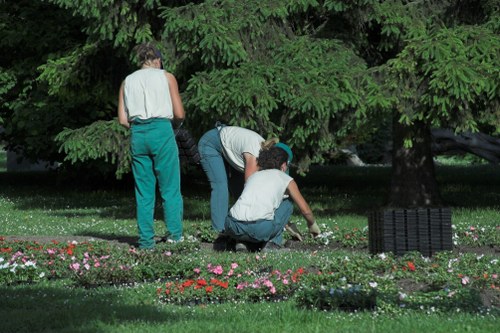
Every pruning job starts with an inspection. A good assessment looks at the species, size, age, health, growing position, and the surrounding environment. The team will consider whether the tree has been pruned before, whether there are signs of disease, and whether the requested work is purely for appearance, for access, or for safety. That initial check is vital because pruning the wrong branches or removing too much growth can weaken a tree rather than help it.
Once the tree has been assessed, the pruning plan is explained clearly. This should include what will be removed, what will be left in place, and what the likely outcome will be. In a local service environment, customers usually appreciate straightforward language and realistic advice. If a light trim is enough, that should be said. If more substantial work is needed, that should also be made clear. The aim is always to give the tree the right treatment, not the most dramatic one.
During the work, branches are removed with care to maintain healthy structure and minimise unnecessary stress. Cuts are made in a way that supports future regrowth, helps keep the canopy balanced, and avoids damaging nearby stems or property. Debris is collected and the site is left tidy, which matters just as much in small Redbridge gardens as it does in shared commercial spaces. For many customers, that neat finish is one of the main reasons they choose a professional team rather than attempting the work themselves.
Benefits of professional pruning rather than DIY cutting

Many property owners can tell when a tree is growing out of control, but deciding where to cut is another matter. DIY pruning often leads to uneven shapes, over-cutting, or cuts made in the wrong place. These mistakes can leave a tree looking sparse, cause poor regrowth, or create weak points in the structure. In some cases, an enthusiastic but unplanned trim can make the problem worse and lead to more work later on.
Professional pruning brings experience, equipment, and an understanding of how different trees respond to cutting. Some species cope well with certain pruning styles, while others need a much lighter touch. A trained team knows how to work safely at height, how to manage difficult access, and how to protect nearby surfaces, plants, and structures. This is particularly helpful in Redbridge, where tight side passages, shared access, and limited parking can make jobs more awkward than they first appear.
There is also a safety aspect. Large limbs, awkward leaning branches, and trees growing over sheds or conservatories should not be treated casually. A local tree surgeon or pruning specialist can use the right tools and sequence the work properly so branches are lowered and handled safely. For homeowners and business owners alike, that creates peace of mind and a better end result.
Tree pruning for different types of customers
One reason local tree care services are valuable in Redbridge is that the borough has a wide range of customer needs. Residential customers may be most concerned about daylight, leaf fall, privacy, or keeping branches away from the house. Landlords may need trees maintained so gardens remain safe and presentable between tenancies. Managing agents may require regular pruning for communal areas, boundary lines, and access routes. Business customers may want trees shaped to preserve visibility, keep parking bays usable, and present a cared-for appearance to visitors.
Schools, nurseries, medical buildings, and community facilities often need a more scheduled approach. In these settings, tree work has to be planned around opening hours, safeguarding concerns, pedestrian movement, and the need to keep access clear. A local company that regularly works in the borough is better placed to understand those practical demands. Tree pruning in Redbridge is therefore not just a one-off task; for many customers it is part of maintaining the property in a way that suits daily use.
Even within residential streets, the need for pruning can vary a lot. A tree in a front garden may need shaping to keep sightlines clear. A rear garden tree may need thinning to allow more light into the home. Boundary trees may need reduction to stop them intruding into neighbouring space. Whatever the situation, a local specialist can provide advice that fits the actual property, rather than offering a generic solution.
What pruning can help with
- Improving light into gardens and rooms
- Creating clearance for paths, driveways, and entrances
- Reducing dead, damaged, or rubbing branches
- Maintaining a tidy appearance for front gardens and business premises
- Supporting the long-term shape and structure of the tree
- Reducing overhang near roofs, fences, and neighbouring properties
- Helping trees stay balanced after uneven growth
Local conditions and access challenges across Redbridge
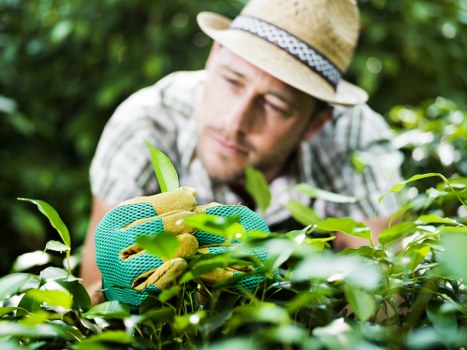
Redbridge includes a mix of busy roads, quieter residential streets, private drives, and older housing stock, all of which can affect how tree pruning is carried out. Some properties have narrow side access, limited space for equipment, or shared rear entry, which means careful planning is essential before any work begins. Parking can also be an issue in busier neighbourhoods, so a local team that is used to working around these conditions can save time and reduce disruption.
Local knowledge matters when dealing with trees close to homes in areas such as Gants Hill, Barkingside, Clayhall, Chadwell Heath, and Woodford Green. In some places, mature gardens may contain larger trees with low branches and established root systems. In others, there may be smaller ornamental trees where the goal is to maintain shape without over-pruning. A team experienced in the area will know how to work around those settings carefully and efficiently.
Commercial sites may also have practical access concerns, such as delivery schedules, customer parking, or the need to keep walkways open. In those cases, pruning is often best planned at a time that minimises disruption. This is another reason many customers prefer a local company: communication tends to be simpler, and visits can often be arranged with the real layout of the site in mind.
What is usually included in a pruning visit
When customers book pruning work, they often want to know exactly what they can expect. The service will usually begin with a discussion of the tree and the outcome you want. After that, the tree is inspected, the work is planned, and the pruning itself is carried out using suitable techniques for the species and condition of the tree. The aim is to achieve a clean, sensible result with minimal disturbance to the surrounding area.
In many cases, the visit also includes tidying the work area, clearing cut material, and leaving the site in a presentable condition. Some customers only need a small amount of selective pruning, while others require more substantial maintenance to restore balance and improve access. Either way, a reliable local team should be able to explain what will happen before work starts so there are no surprises on the day.
Typical elements of a pruning service may include:
- Initial assessment of the tree and surrounding area
- Discussion of the desired result and suitable pruning method
- Removal of dead, damaged, or poorly placed branches
- Shaping or reduction work where appropriate
- Careful handling of cut material and debris
- Tidy finish and site clearance
If you are comparing options, it is sensible to ask what will be included in the visit and how the team plans to protect nearby property. Contact us today to request a free quote and find out how the work could be arranged for your specific tree.
How to prepare for a pruning appointment
Most pruning jobs are straightforward for the customer, but a little preparation helps things run more smoothly. Before the team arrives, it is useful to think about access, vehicles, pets, and any areas you want to keep clear. If the tree is in a rear garden, make sure gates can be opened and any stored items near the work area are moved if possible. If the tree is close to a driveway or parking space, it helps to leave enough room for the team to set up safely.
Customers in Redbridge often ask whether they need to be home for the full visit. That depends on the arrangement, but in many cases it is helpful to be available at the start so you can confirm the tree and the intended outcome. If there are neighbours or shared boundaries involved, it is also useful to be clear about who owns which side of the tree and whether any extra care is needed around adjacent property. A local professional can help you think through those details before work begins.
Preparation checklist:
- Confirm which tree or trees need pruning
- Make sure access gates and paths are clear
- Move garden furniture, ornaments, or parked vehicles if needed
- Keep pets and children away from the work zone
- Raise any concerns about nearby roofs, cables, or neighbours
- Discuss your preferred outcome before cutting starts
What affects the cost of pruning?
While exact prices depend on the job, several common factors influence the overall cost of tree pruning. The first is the size of the tree. Larger trees generally require more time, more labour, and more specialised equipment. The second is access. If the tree is in a tight rear garden, behind a building, or near awkward parking restrictions, the work may take longer to carry out safely. The third is the type of pruning required, since a simple tidy-up is not the same as a more involved reduction or a multi-stage clearance.
Other factors can include the amount of debris to remove, whether the tree is near structures or utilities, and how many trees are included in the same visit. The condition of the tree matters as well. A tree with deadwood, weak limbs, or crowded growth may need more careful handling than a healthy, open-grown tree. If you are requesting tree pruning in Redbridge for a number of trees at the same property, it is often more efficient to discuss all the work together rather than separately.
It is usually best to ask for a clear explanation of what is included before booking. That way, you can compare services like-for-like and choose the approach that feels right for your property. If you are ready to make progress, request a free quote and share a few photos or basic details so the work can be assessed properly.
Why choose a local company for tree pruning in Redbridge?
Local experience brings practical benefits that matter to everyday customers. A company that regularly works in Redbridge is more likely to understand the property styles, street layouts, access limitations, and common tree species found in the area. That can make the visit smoother from the beginning, especially where there is limited parking, busy roads, or shared spaces that need careful handling.
A local team is also often more responsive to the customer’s actual needs. If you want the tree to be lighter without looking stripped back, or if you need branches lifted just enough to allow a driveway or footpath to be used comfortably, a nearby specialist can tailor the work accordingly. This is especially important for householders who want their tree maintained in a natural-looking way rather than cut harshly.
For commercial customers, local service can help keep maintenance regular and predictable. Offices, shops, schools, landlords, and housing managers often prefer a team that can visit, inspect, and complete work without long delays or unnecessary back-and-forth. The result is a practical service that fits real schedules and real properties.
Nearby areas and neighbourhoods commonly covered
- Ilford
- Woodford
- Woodford Green
- South Woodford
- Wanstead
- Gants Hill
- Barkingside
- Clayhall
- Seven Kings
- Chadwell Heath
- Goodmayes
- Hainault
When pruning is the right choice, and when it may not be
Pruning is often the best option when a tree is healthy enough to respond well, but needs adjustment for shape, clearance, or safety. It is useful when branches are encroaching on nearby buildings, when the canopy is too dense, or when deadwood is present. It is also helpful after a period of uneven growth, such as when one side of a tree has become more dominant due to light or space.
However, pruning is not always the answer. Some trees may have structural problems, disease, or previous poor cuts that need a more cautious approach. In those situations, a specialist may suggest minimal intervention, staged work over time, or an alternative such as careful monitoring. This honest approach matters because the goal is not simply to cut for the sake of cutting. The goal is to make a sensible decision that protects the tree and your property.
That is why a proper assessment matters before work starts. If you are unsure whether your tree needs pruning, thinning, lifting, reduction, or just light maintenance, a local professional can talk you through the options and explain the likely outcome in plain language. Book your service now if you want a practical solution tailored to the tree in front of you.
FAQs about tree pruning in Redbridge
How often should trees be pruned?
The right frequency depends on the species, age, growth rate, and location of the tree. Some trees only need attention every few years, while others benefit from more regular light maintenance. Trees close to houses, paths, or busy areas may need checking more often than trees in open spaces.
Is pruning bad for trees?
Not when it is done correctly. Thoughtful pruning can support health, structure, and safety. Problems usually arise when too much is removed, cuts are made in the wrong place, or the work is repeated too aggressively. Proper technique is the key difference.
Can pruning improve light in my garden?
Yes. Crown thinning, crown reduction, and selective branch removal can all help allow more daylight into gardens and rooms. Many Redbridge customers ask for pruning specifically because they want a brighter outdoor space or less shade in the house.
Will pruning stop branches touching my roof or fence?
Often, yes. Clearance pruning is commonly used to create separation between trees and buildings, fences, garages, or outbuildings. The exact method depends on the tree and the amount of space available.
Do I need permission before pruning a tree?
Sometimes. The need for permission depends on the tree’s status and location. If the tree is protected or in a sensitive setting, checks may be needed before any work is carried out. A local tree specialist can help you understand whether that applies to your property.
Can you prune trees in small gardens or tight access areas?
Yes, but the work may need more careful planning. Many properties in Redbridge have narrow side access, limited rear entry, or shared boundaries, so it is important to choose a team used to working in confined spaces.
Choosing the right pruning service for your property
When choosing a tree pruning service, look for a company that listens to what you want, explains the likely result clearly, and works in a tidy, careful way. For local customers, trust often comes from practical signs: whether the team takes time to assess the tree, whether they explain access needs, whether they respect neighbouring property, and whether the proposed work makes sense for the tree rather than simply appearing drastic.
In Redbridge, where homes and businesses often sit close to established planting, the right pruning service can make a noticeable difference to daily life. It can improve light, create space, reduce nuisance growth, and help trees remain a positive feature rather than a source of frustration. If that sounds like what you need, now is a good time to get in touch.
Contact us today to discuss your tree, ask questions, and request a free quote. Whether you need light pruning, a more involved reduction, or ongoing tree care, a local service can help you move forward with confidence.
Helpful reminders before you book
Remember: the best pruning outcomes usually come from a sensible plan, the right timing, and a team that understands both the tree and the local setting. It is worth taking a few minutes to explain what you want the tree to do for your property, whether that is letting in more light, improving appearance, or creating clearance over a path or driveway.
Final note for local customers
Tree pruning is not just maintenance; it is part of looking after the space where you live or work. If your tree is starting to interfere with everyday use, do not wait until the branches become a bigger problem. A timely visit can save hassle, improve the look of the property, and keep the tree in better condition for the long term. Book your service now and get the right advice for your Redbridge property.